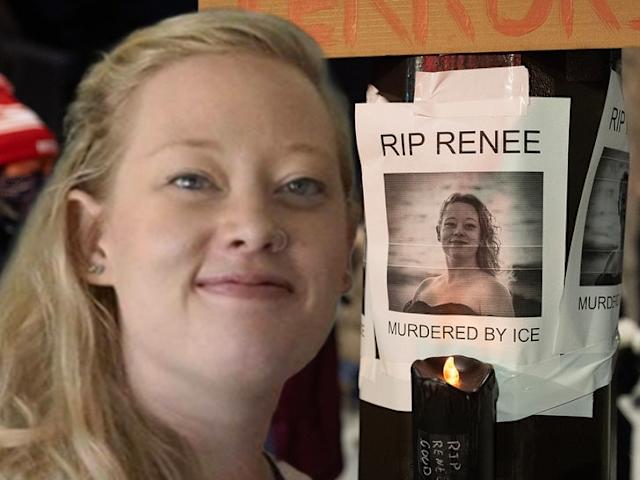
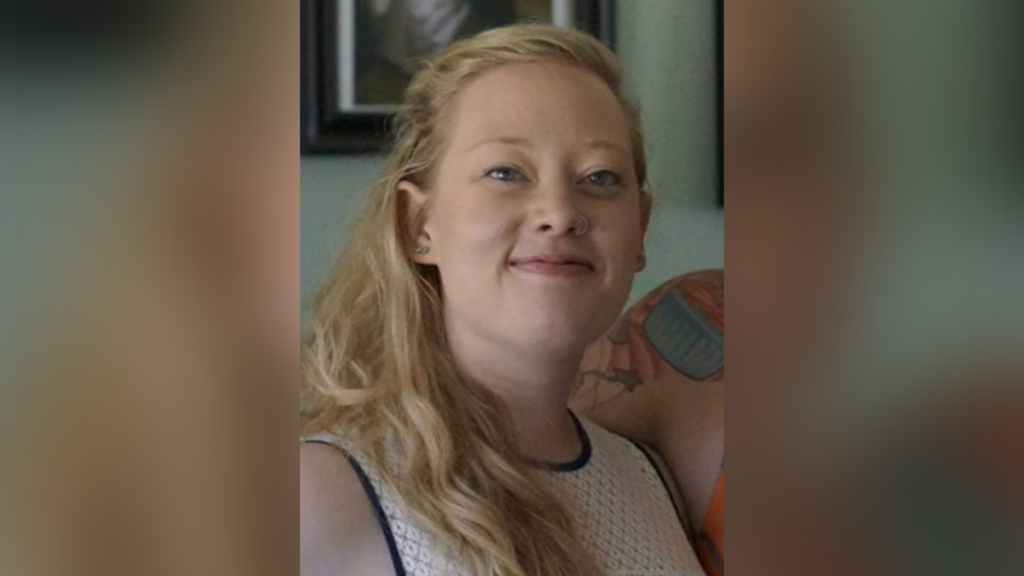
On Wednesday, January 7, a tragic and violent incident occurred in Minneapolis, Minnesota, resulting in the death of 37-year-old Renee Nicole Good.
She was shot and killed by Immigration and Customs Enforcement (ICE) agents while inside her car during a confrontation that quickly escalated into a fatal encounter.
The incident has sparked widespread outrage and debate across the United States, with reactions sharply divided along political lines. Many have condemned the actions of the ICE officers involved, calling the shooting excessive and unnecessary, while others, including prominent political figures and media personalities, have defended the agents’ actions, asserting that they acted within the bounds of the law.
The incident unfolded when Renee Nicole Good reportedly positioned her vehicle in the middle of a Minneapolis street, obstructing traffic and drawing attention from law enforcement.
According to multiple sources, ICE agents approached the vehicle in an effort to enforce the law and ensure public safety.
Video footage of the confrontation shows an officer attempting to open the driver’s door, while Renee, instead of complying, tried to drive away.
This movement, as interpreted by authorities and some legal analysts, was perceived as a direct threat to the officers’ safety, leading to the use of lethal force.
The violent nature of the encounter immediately drew national attention, and the responses have been polarizing. Former President Donald Trump quickly took to Truth Social to comment on the situation.
In his post, Trump emphasized what he described as the lawless and aggressive behavior of the victim. He stated, “I have just viewed the clip of the event which took place in Minneapolis, Minnesota.
It is a horrible thing to watch. The woman screaming was, obviously, a professional agitator, and the woman driving the car was very disorderly, obstructing, and resisting, who then violently, wilfully, and viciously ran over the ICE Officer, who seems to have shot her in self-defense.”
Trump further added, “Based on the attached clip, it is hard to believe he is alive, but he is now recovering in the hospital. The situation is being studied, in its entirety, but the reason these incidents are happening is because the Radical Left is threatening, assaulting, and targeting our Law Enforcement Officers and ICE agents on a daily basis.”
He concluded his statement by urging support for law enforcement, writing, “They are just trying to do the job of MAKING AMERICA SAFE. We need to stand by and protect our Law Enforcement Officers from this Radical Left Movement of Violence and Hate!”
Beyond Trump, the Department of Homeland Security, led by Secretary Kristi Noem, also weighed in on the incident. Noem stated that while the shooting was technically justified under the law, it was a tragic event that could have been prevented.
Her remarks reflected a nuanced position, acknowledging both the legal justification for the officers’ actions and the broader question of whether the loss of life was necessary.
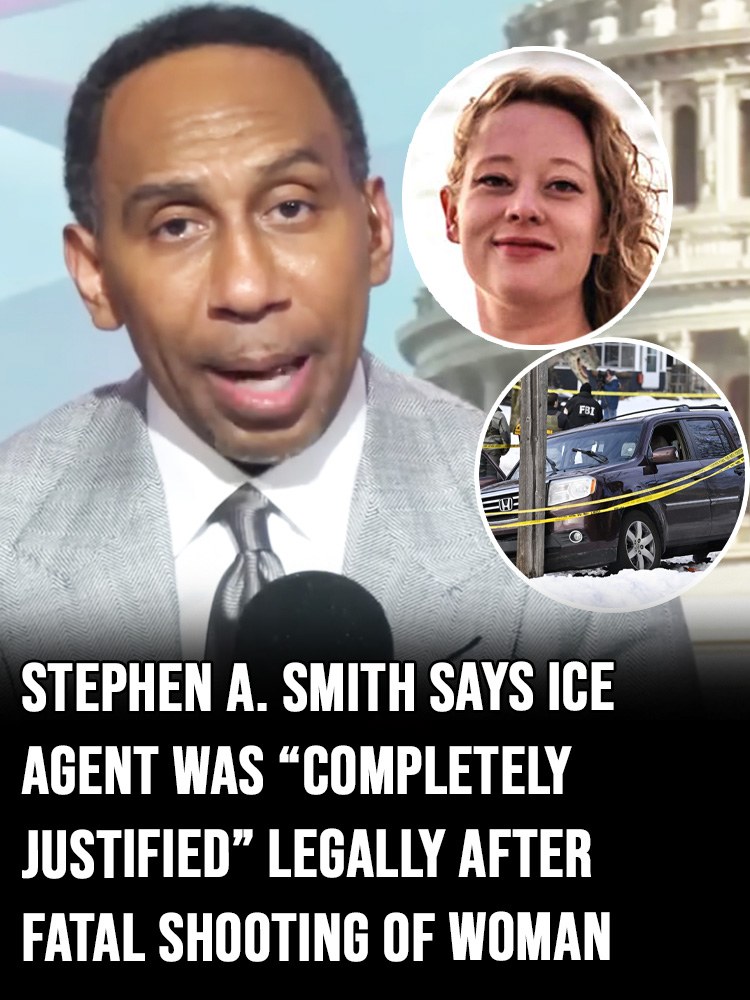
ESPN analyst and media personality Stephen A. Smith provided an extensive commentary on his YouTube channel regarding the incident. In his video, Smith described the shooting as “completely justified” from a legal standpoint, citing the fact that Renee Nicole Good drove her car toward law enforcement officers, which in his view constituted a legitimate threat.
Smith remarked, “I saw the video on numerous occasions, and seeing what transpired from a lawful perspective, as it pertains to a law enforcement official, don’t expect him to be prosecuted. He was completely justified.” However, Smith also emphasized the moral and humanitarian dimensions of the event, questioning whether lethal force was absolutely necessary.
He noted, “From a humanitarian perspective, however, why did you have to do that? If you could move out of the way, that means you could have shot the tires. That means you could have gotten a few feet away after you shot the tires, and if you were unsuccessful at doing that, you could have got her down the road.”
Smith’s commentary highlighted the tension between legal justification and moral responsibility in law enforcement actions. He continued, “You didn’t have to kill her.
She wasn’t driving down the road, coming at you 90 miles an hour, she was parked in the middle of the street. Rather than get out of the car, she wrongfully tried to drive off, and wrongfully disregarded a law enforcement official because that it was ICE, and as a result, lost her life because of it.”

The circulating video footage of the incident shows a tense standoff between Renee and the ICE agents. One officer is seen approaching the stopped SUV and attempting to open the driver’s door, while another positions himself nearby, presumably to block any attempt to flee.
According to Smith, the ICE officer who fired the shots acted within the bounds of the law and, as such, should not face prosecution. He explained in detail, “From a legal perspective, don’t expect this ICE officer to be prosecuted, I’m telling you right now.
She was in the car, protesting, blocking off the street, an officer got in front of the car, another on the side, and she tried to take off. From a legal standpoint, he was justified.”
Nevertheless, Smith stressed that the tragedy might have been avoidable had the officers used non-lethal methods. “It wasn’t necessary,” he said. “You could have arrested her; you could have spared the woman’s life. You didn’t have to kill her.”
Public reaction to the shooting has been intense. Social media platforms and news outlets have been flooded with comments and debates over the appropriateness of the ICE agents’ actions, with strong opinions expressed on both sides.
Advocates for law enforcement argue that officers face daily threats and must act decisively to protect themselves and the public, while critics maintain that alternative approaches could have been pursued to prevent the death of Renee Nicole Good.
This tragic incident has also reignited broader conversations about policing and accountability in the United States, especially regarding federal enforcement agencies like ICE. Questions surrounding the appropriate use of force, the role of federal agents in local communities, and the accountability mechanisms for lethal encounters remain highly contentious.
Legal analysts have noted that the situation illustrates the complex balance between officer safety and the protection of civilians, particularly in high-pressure, rapidly evolving situations.
Beyond the immediate controversy surrounding the shooting, much attention has turned to the life and background of Renee Nicole Good. While the focus of national headlines has understandably been on the circumstances of her death, understanding her personal history provides additional context for the public debate.
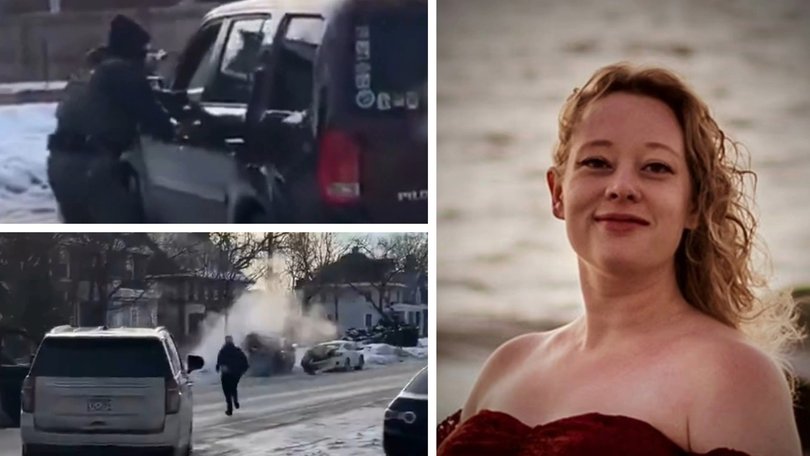
Renee, 37, was known to her friends and community as a strong-willed individual with a history of activism and involvement in social causes. Some reports indicate that she participated in protests and public demonstrations in the Minneapolis area, which may have contributed to the perception of her as a “professional agitator,” as described by former President Donald Trump in his Truth Social post.
However, it is essential to note that being politically active or engaged in protests does not justify the use of lethal force against a civilian, and this point has been emphasized by legal experts and civil rights advocates.
From a legal perspective, the incident highlights the highly nuanced rules governing the use of force by federal agents, including ICE officers. Under U.S. law, law enforcement officials are generally permitted to use deadly force when they reasonably believe their life or the lives of others are in imminent danger.
In this case, proponents of the officers’ actions argue that Renee’s attempt to drive away while officers were in close proximity presented a credible threat, justifying the use of lethal force.
However, critics have pointed out that the officers had options that might have reduced the risk of death, including non-lethal intervention or aiming at the vehicle’s tires to disable it rather than firing directly at the driver.
Experts in law enforcement and criminal justice have weighed in on the incident, providing a range of perspectives. Professor Linda Martinez, a criminal law scholar at a Midwestern university, explained that “the law permits the use of deadly force when an officer reasonably believes that an individual poses a threat of serious harm or death.
In fast-moving situations, split-second decisions are made, and these often lead to tragic outcomes. While the law may justify the action, it does not absolve us of the moral and ethical responsibility to consider whether lethal force was truly necessary.”
This duality—legal justification versus ethical responsibility—has become a focal point in public discussions surrounding the shooting.
In addition to legal debates, civil rights organizations and advocacy groups have expressed deep concern about the use of force by ICE and other federal law enforcement agencies.
Many argue that the lack of transparency and accountability in such cases undermines public trust and raises important questions about oversight. The American Civil Liberties Union (ACLU) issued a statement urging a thorough and impartial investigation, emphasizing that “every life lost is a tragedy, and law enforcement agencies must be held accountable when excessive force is used.
Preventable deaths cannot be excused simply because an officer acted ‘within the law.’” Similar statements were released by local community organizations in Minneapolis, highlighting the broader societal impact of the incident and calling for reforms to prevent similar occurrences in the future.
Public reaction on social media and traditional media platforms has been overwhelmingly polarized. Supporters of law enforcement have used the incident to stress the dangers officers face on a daily basis, particularly when engaging with individuals who are perceived to be hostile or uncooperative.
These supporters argue that federal agents, including ICE, operate under extremely high-stakes conditions where hesitation could result in serious injury or death.
On the other hand, critics have pointed to systemic issues within law enforcement, including training deficiencies, racial and social biases, and a culture that prioritizes force over de-escalation.
This polarization has fueled heated debates not only about this specific incident but about broader questions of policing, civil liberties, and the role of federal agencies in local communities.
Stephen A. Smith’s commentary has also sparked conversations about the intersection of media, public opinion, and law enforcement.
As a high-profile ESPN analyst and media personality, Smith’s statements carry significant influence. In his YouTube video, Smith repeatedly emphasized that while the ICE agent’s actions were legally defensible, they may not have been morally necessary.
He suggested that alternative measures, such as disabling the vehicle or employing tactical restraint, could have preserved Renee’s life without compromising officer safety.
By highlighting both the legal and ethical dimensions of the incident, Smith underscored the complexity of assessing law enforcement actions in high-pressure situations.
Politically, the incident has had reverberations across the United States, particularly as discussions about immigration, federal enforcement, and public safety continue to be contentious topics.
Former President Trump’s immediate defense of the ICE officer reflects a broader political narrative in which law enforcement is portrayed as under attack from progressive or “radical left” movements.
Conversely, many Democratic leaders and progressive activists have criticized this framing, arguing that it deflects attention from preventable tragedies and systemic issues in law enforcement practices. This clash of perspectives illustrates the deeply polarized environment in which debates about policing and public safety occur.
The Minneapolis community itself has been deeply affected by the incident. Local residents have expressed both grief and outrage, organizing vigils and community discussions to address the broader implications of the shooting.
Community leaders have emphasized the importance of transparency, accountability, and dialogue between law enforcement and the public. These efforts highlight the social responsibility of both federal agencies and local officials to prevent similar tragedies in the future and to rebuild trust between officers and the communities they serve.
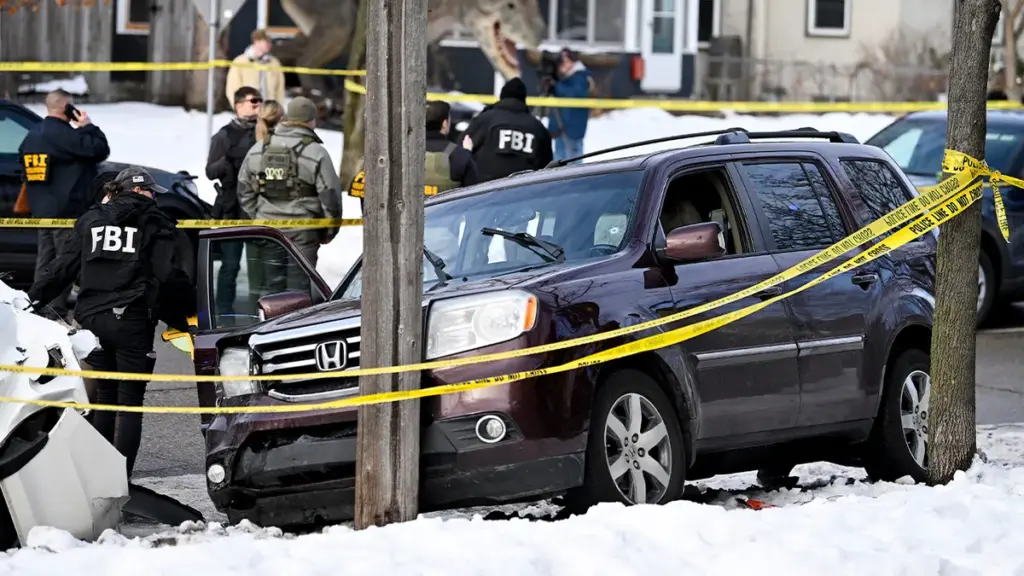
In the aftermath of the incident, legal analysts have noted that the ICE officer involved is unlikely to face prosecution, based on the legal standard of self-defense and the threat posed by Renee’s actions. However, the broader implications of the case extend far beyond the legal outcome.
The shooting has raised questions about the adequacy of training for federal agents, the use of de-escalation techniques, and the role of public accountability in high-risk law enforcement encounters.
Experts suggest that comprehensive reforms, including stricter protocols for the use of force and enhanced oversight mechanisms, could help prevent similar incidents while protecting both law enforcement officers and civilians.
Ultimately, the tragic death of Renee Nicole Good serves as a stark reminder of the complex interplay between law, morality, and public safety. While legal analyses may justify the actions of the ICE agent, the ethical and humanitarian questions remain deeply troubling.
The case has also illuminated broader societal tensions around law enforcement practices, political polarization, and the role of federal agencies in local communities. As public debate continues, it is clear that discussions about accountability, justice, and the preservation of life are more urgent than ever.
This incident underscores the importance of nuanced understanding when evaluating law enforcement actions. While videos and media commentary provide immediate perspectives, comprehensive assessments require careful consideration of the law, ethical standards, and human impact.
The dialogue generated by this case—spanning legal scholars, civil rights advocates, media personalities, political figures, and the general public—illustrates the complexity of modern policing in the United States.
As the nation grapples with these difficult questions, it is essential to balance the imperatives of public safety with the foundational principle that every human life holds value and deserves protection.